The Clock Behind the Camera: Mapping Photography Onto Your Wedding Day Schedule
Ask any recently married couple what they would change about their wedding planning, and a surprising number will say the same thing: they wished they had thought harder about the timeline. Not the date, not the venue — the actual hour-by-hour schedule of the day itself. And more often than not, the piece that suffered was photography.
Unlike the caterer or the band, a photographer's work is woven through the entire event, from the quiet minutes before anyone is dressed to the final send-off. That makes photography less like a single vendor slot and more like a thread running through the whole tapestry. Understanding where that thread goes — and when to pull it — is one of the most useful things a couple can do before signing a single contract.
A Typical American Wedding Day, Hour by Hour
Most US weddings follow a recognizable rhythm, whether the ceremony takes place in a Colorado mountain lodge or a New Jersey banquet hall. Photography plugs into that rhythm at predictable points.
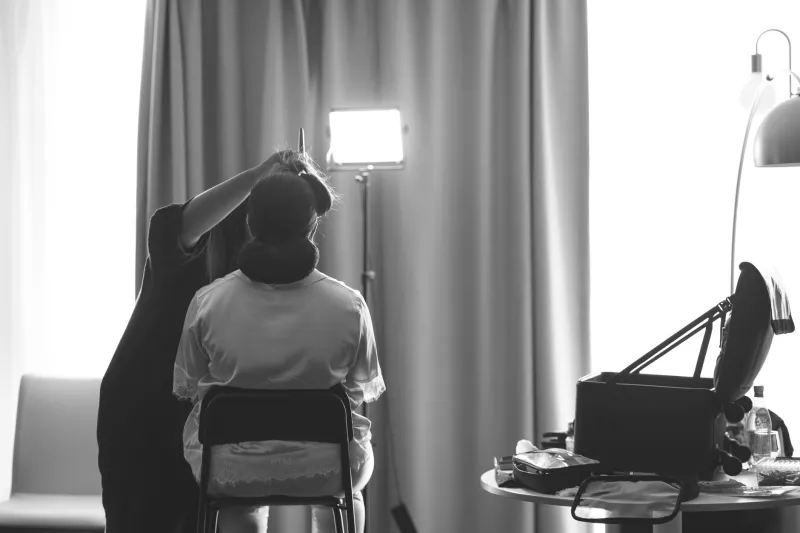
Getting ready (2–3 hours before the ceremony). Coverage often begins here: details like the rings, the dress, the invitation suite, and the candid energy of the wedding party. A photographer needs roughly 30–45 minutes with each partner to capture this well, which means start times matter. If the ceremony is at 4 p.m., coverage may begin at 11 a.m. or noon.
First look and wedding party portraits (60–90 minutes before). Couples who opt for a first look gain enormous flexibility — the majority of formal portraits can be finished before the ceremony even starts, freeing up cocktail hour for what it was designed for: actually enjoying it.
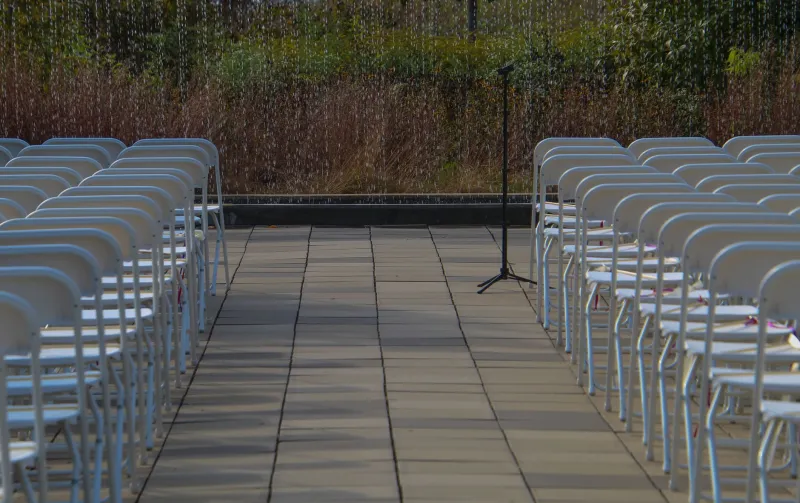
Ceremony. Photographers typically arrive and position themselves 30–45 minutes ahead of guests to scout angles, check light, and coordinate with the officiant on any restrictions.
Family formals and cocktail hour. This is the segment couples most often under-schedule. A disciplined photographer can move through immediate family groupings in 30–45 minutes — but only if the list is prepared in advance and a designated family wrangler is assigned. Without that, cocktail hour portraits bleed into the reception, and dinner service gets delayed.
Reception through the last dance. Grand entrance, toasts, first dance, cake cutting, parent dances, open dancing. Most couples book 8–10 hours of continuous coverage, and the schedule should tell the photographer when each of those key moments is expected to happen — ideally in writing, ideally a week ahead.
The Booking Calendar: How Early Is Early Enough?
The lead time question has a blunt answer: earlier than most couples think.
12–18 months out. In most US markets, the most in-demand photographers — particularly those with strong reputations for your venue type or region — are contracted 12 to 18 months ahead, sometimes more for popular spring and fall Saturdays. October in New England, May in the Carolinas: these dates vanish early.
9–12 months out. You are still in healthy territory, but choice narrows quickly. This is when most engagement is done and deposits are placed.
6–9 months out. Workable, especially for off-peak dates or Friday and Sunday weddings, but expect fewer options and less negotiating room.
Under 6 months. You are now shopping in what's left. Some excellent photographers do have late openings — a cancellation, a shifted date — but you cannot count on it.
What Happens When You Wait Too Long
Hiring a photographer late doesn't just mean settling for whoever is available. It creates cascading problems. A photographer who has never seen your venue loses the site-visit advantage. A compressed planning window makes it harder to schedule an engagement session, which for many couples is the single best rehearsal for working together on the actual day. And a rushed timeline — drafted without the photographer's input — tends to squeeze the very moments that produce the best images.
The fix is straightforward: book photography alongside your venue, not after it. Then, roughly six to eight weeks out, sit down and build the day-of schedule together. A photographer who has helped shape the timeline will spend the day anticipating moments instead of chasing them.
The Bottom Line
Your wedding day runs on a clock, and photography runs on that same clock. Treat your photographer as a timeline partner rather than a line item, book early enough to give them a seat at the planning table, and the schedule you build will protect the images you'll keep for the rest of your life.