Beyond the Golden Hour: How to Achieve Stunning Natural Light in Any Season or Setting
Photo: Lyseria, CC BY 3.0, via Wikimedia Commons
Ask almost anyone what the ideal time to photograph a portrait session or outdoor event is, and you will hear some version of the same answer: golden hour. That brief, luminous window shortly after sunrise or just before sunset — when the sun sits low on the horizon and bathes everything in warm amber light — has become the near-universal standard for beautiful photography.
And for good reason. Golden hour light is soft, directional, and extraordinarily flattering. It wraps around faces without harsh shadows, renders skin tones in warm, inviting hues, and lends even the most ordinary landscape an almost cinematic quality.
But golden hour is also, by definition, brief. In midsummer, it may last forty-five minutes. In December across much of the northern United States, it arrives earlier than most working couples can manage and disappears before the dinner reservation. And for events with fixed start times — ceremonies, galas, corporate gatherings — the idea of scheduling around a particular quality of light is often simply not realistic.
The good news is this: extraordinary photographs do not require golden hour. They require an understanding of light — how it moves, how it behaves across different environments and seasons, and how to find or create its most flattering qualities regardless of when your session falls on the calendar.
Rethinking Winter Light
Winter is the season that intimidates most couples planning engagement sessions or outdoor portraits. Daylight is compressed, temperatures are unforgiving, and the low, pale sun of January and February can feel like a far cry from the glowing skies of a July evening.
But winter light has qualities that are genuinely underappreciated. Because the sun remains low on the horizon throughout the entire day — not just at dawn and dusk — the directional, soft quality that makes golden hour so coveted actually persists for a much longer portion of the afternoon. A session scheduled for 2:00 p.m. in January in Chicago or Denver will benefit from light conditions that would be impossible to replicate at the same hour in July.
The diffused, cooler tones of winter light also complement certain aesthetics beautifully. For couples who prefer a more editorial, moody look over the warm romanticism of summer sessions, the silver-blue quality of a clear winter afternoon offers a compelling alternative. Bare trees, frost-covered fields, and the clean geometry of urban architecture in winter can produce images of striking visual power.
The practical recommendation for winter sessions: schedule for mid-afternoon, between roughly 1:30 and 3:30 p.m., when the sun is at its highest but still casts long, flattering shadows. Dress in layers that photograph well, and embrace the season rather than fighting it.
Making the Most of Midday Light
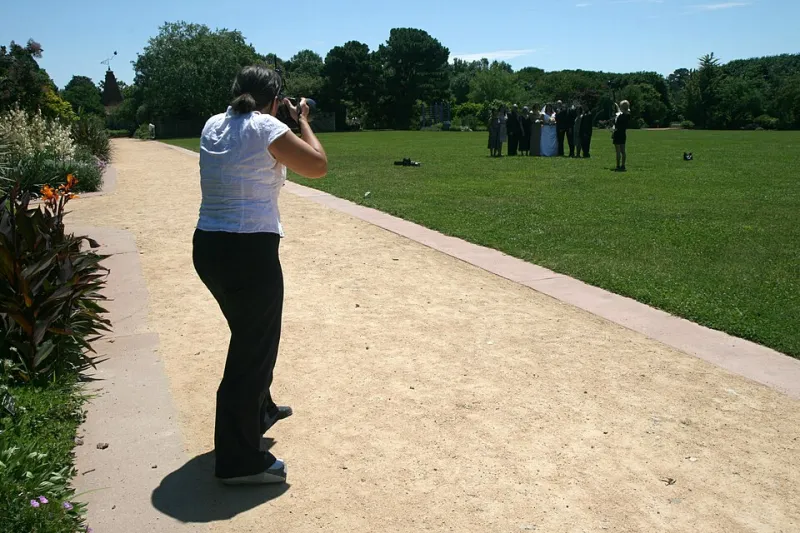
Midday light is, by most accounts, the most challenging natural light condition to work with. The sun sits directly overhead, casting harsh downward shadows that deepen the hollows of the eyes and create unflattering contrast across facial features. For outdoor portraits, it is generally the least forgiving time of day.
However, midday is also when a significant number of real events actually occur — outdoor ceremonies, garden parties, corporate picnics, graduation celebrations. Avoiding it is not always an option.
The most effective strategy for midday photography is the deliberate use of open shade. Positioning subjects beneath a large tree canopy, under an overhang, or on the shaded side of a building effectively removes the direct overhead sun from the equation. What remains is the soft, reflected light of the open sky — diffused, even, and considerably more flattering than direct sunlight.
Another approach involves the use of natural reflectors. Light-colored surfaces — a white wall, a sandy path, a bright tablecloth — bounce ambient light back upward into a subject's face, filling in shadows and creating a more balanced exposure. This is a technique that professional photographers apply instinctively, and one that can dramatically improve the quality of midday images when applied thoughtfully.
For those with any flexibility in event scheduling, positioning the most photographically significant moments — the first look, the formal portraits, the family groupings — in the early morning or late afternoon remains the most straightforward solution. Midday is well-suited to candid reception coverage, wide establishing shots, and detail photography, all of which are less sensitive to the quality of light.
Indoor Venues and the Art of Available Light
Indoor photography presents its own distinct set of challenges, particularly for events that rely on natural light as their primary source. Museums, historic estates, loft spaces, and renovated warehouses frequently feature large windows that flood interiors with beautiful, diffused daylight — but that light is highly dependent on the time of day, the season, and the orientation of the building.
The most valuable step any couple or event planner can take when booking an indoor venue is to visit it at the same time of day their event will occur. The light in a west-facing ballroom at 4:00 p.m. in October is entirely different from the light in that same room at noon in June. Understanding how light moves through a space over the course of a day allows for smarter scheduling of key moments within the event timeline.
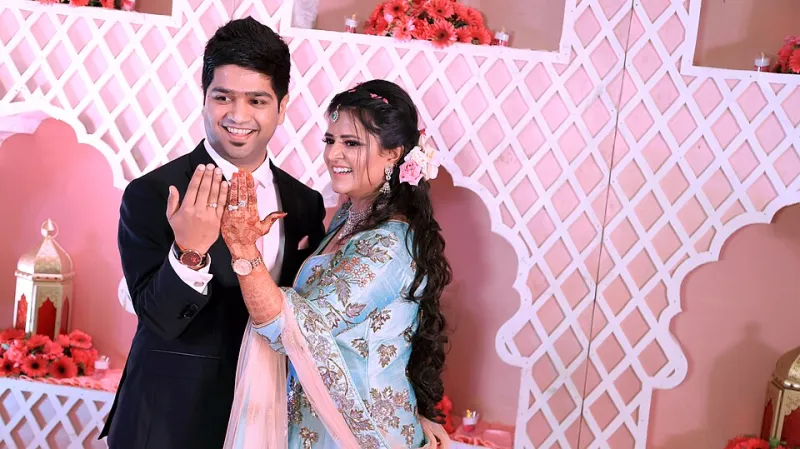
For venues with limited natural light, window proximity becomes critically important. Even in a large ballroom with modest window coverage, positioning the couple or the primary subjects near the available windows creates opportunities for genuinely beautiful, naturally lit portraits. The falloff from a single large window can produce a soft, painterly quality reminiscent of classic portraiture.
When natural light is insufficient, a skilled photographer supplements it in ways that remain invisible in the final images. Bounced flash, continuous LED panels, and off-camera lighting setups can all be calibrated to mimic the quality and color temperature of natural light, preserving the warmth and authenticity of the scene.
Overcast Days: The Secret Advantage
Perhaps the most counterintuitive insight in photography lighting is this: overcast days are often better for portraits than clear, sunny ones.
An overcast sky functions as an enormous natural softbox. Cloud cover diffuses direct sunlight across the entire sky dome, eliminating harsh shadows, reducing contrast, and producing an even, wrap-around quality of light that is extraordinarily flattering for portraiture. Skin tones render smoothly. Details in both highlights and shadows are preserved. Subjects are freed from squinting.
This is particularly relevant for couples in the Pacific Northwest, New England, and the upper Midwest, where overcast conditions are common throughout much of the year. Rather than rescheduling or lamenting the cloud cover, experienced photographers recognize these conditions as an opportunity.
The one adjustment required on overcast days is color temperature. The light tends toward the cooler, blue-gray end of the spectrum, which can be addressed during editing to restore warmth and vitality to the final images.
Timing Your Session with Purpose
The fundamental principle underlying all of these strategies is intentionality. Beautiful light — in any season, at any time of day, in any setting — is not simply encountered by chance. It is understood, anticipated, and pursued.
At Two15 Photography, every session we plan begins with a conversation about light: the time of year, the location, the time of day, and the aesthetic the client hopes to achieve. From that foundation, we work backward to identify the conditions and timing that will best serve those goals — whether that means a winter afternoon session in open shade, a midday event with carefully positioned subjects near a bank of tall windows, or an indoor ceremony scheduled to align with the building's peak natural light.
Golden hour will always hold its place as one of photography's most beloved conditions. But it is far from the only path to an extraordinary image. Light is available in some form at every hour of every day — and knowing how to find it, wherever you are, is what separates a good photograph from one that genuinely endures.