Unguarded and Unforgettable: The Hidden Magic That Happens Between the Posed Shots
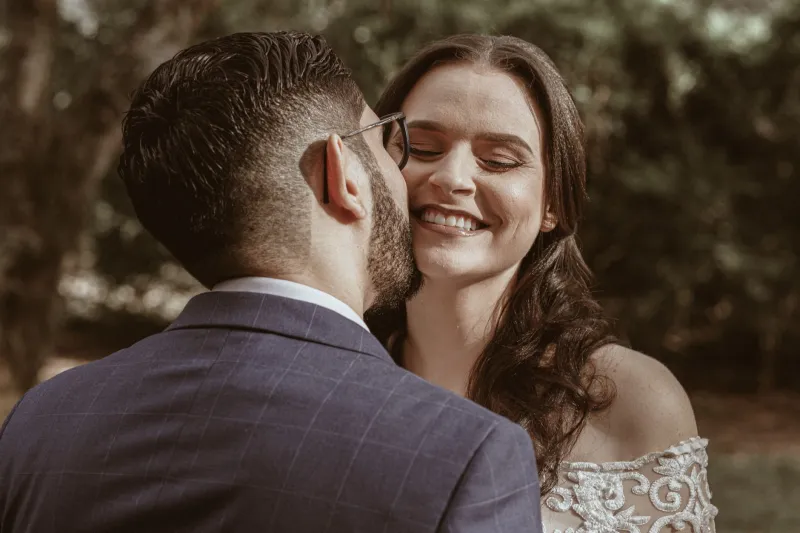
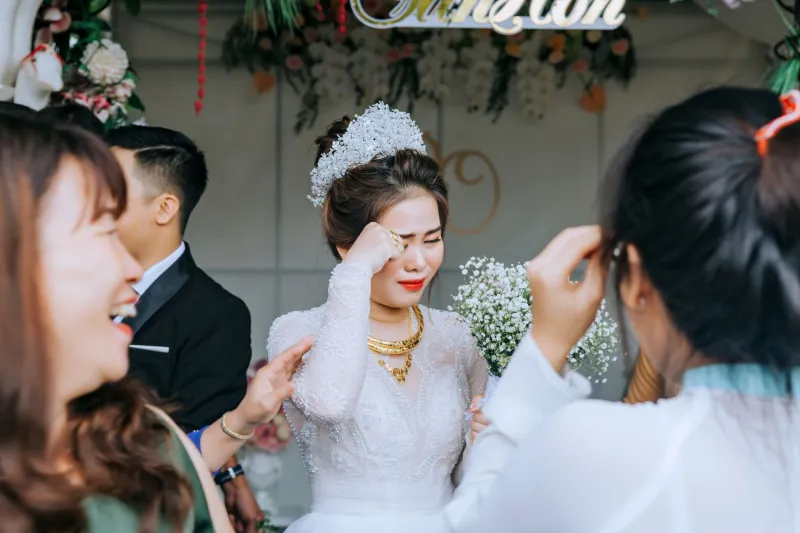
There is a peculiar irony embedded in nearly every photography session. Couples spend weeks selecting venues, coordinating outfits, and rehearsing expressions, yet the image that ultimately finds its way to the living room wall is almost never the one taken on command. It is the one captured three seconds after the photographer lowered the camera. It is the laugh that broke out when someone tripped over a garden hose. It is the quiet glance exchanged between two people who momentarily forgot they were being photographed at all.
This is the paradox that sits at the heart of exceptional photography — and understanding it changes everything about how both photographers and clients approach a session.
Why the Posed Moment Works Against Itself
Human beings are remarkably poor actors when they know they are being observed. The moment a camera is raised and a countdown begins, something shifts in the nervous system. Shoulders tighten. Smiles become slightly too wide, held a beat too long. Eyes lose the particular softness that genuine emotion produces. The body, in its effort to perform naturalness, achieves precisely the opposite.
This is not a character flaw. It is basic psychology. Social psychologist Erving Goffman described this phenomenon decades ago as "impression management" — the instinctive tendency to curate one's presentation when an audience is perceived. In a photography context, the camera becomes that audience, and even the most relaxed subject will unconsciously adjust.
The result is a photograph that documents a performance of a moment rather than the moment itself. Technically proficient. Compositionally sound. Emotionally hollow.
The Architecture of an Unguarded Instant
Professional photographers who consistently deliver images with genuine emotional resonance are not simply lucky. They are architects. They design the conditions under which the guard comes down — and then they wait.
At Two15 Photography, this philosophy is woven into every session structure. The first twenty minutes of any engagement or portrait session are treated as a warm-up period, not a production window. Conversations are deliberately kept light. Equipment adjustments are made unhurriedly. The objective during this phase is not to capture anything particularly meaningful — it is to make the camera invisible through sheer repetition of its presence.
This is a technique sometimes called "camera desensitization," and it works because familiarity dissolves self-consciousness. Once a subject has heard the shutter fire forty or fifty times without being asked to react, they stop bracing for it. The cognitive load of being photographed decreases, and the space that frees up gets filled with something far more interesting: actual personality.
The Role of Distraction as a Creative Tool
Another deliberate strategy involves redirecting attention away from the camera altogether. A skilled photographer might ask a couple to describe where they went on their first date, or prompt a family to debate their favorite road trip memory. The discussion itself becomes the real subject — the camera simply records what the conversation produces.
Wedding photographers employ a version of this technique during reception coverage. Rather than staging every first dance photograph, they position themselves at an angle that captures the couple's expressions as they watch their parents react to a toast, or as a close friend whispers something in the groom's ear. The subject is never looking at the lens. They are entirely somewhere else, emotionally speaking, and that elsewhere is exactly where the photograph needs to take the viewer.
These are not accidental captures. They require anticipation, positioning, and an intimate understanding of how human emotion moves through a room.
Why Clients Almost Always Choose the Candid
When couples review their wedding galleries or families sit down with their portrait proofs, a consistent pattern emerges. The posed shots receive polite appreciation. The candid images — the ones taken during transitions, during laughter, during moments of private tenderness — receive something closer to reverence.
This preference is not arbitrary. Candid photographs activate a different kind of recognition in the viewer. They do not simply show what people looked like on a given day. They show who those people were — how they held each other when no one was watching, how their eyes changed when something genuinely moved them, how joy actually registered on their faces rather than how they imagined it should.
There is a neurological dimension to this as well. Research in visual cognition suggests that authentic emotional expressions are processed more deeply by the brain than posed ones. Viewers detect, often unconsciously, the micro-expressions and subtle postural cues that distinguish genuine feeling from performance. A real smile engages the muscles around the eyes in a way that a manufactured one does not, and the brain notices — even when the conscious mind cannot articulate why one photograph feels more alive than another.
Structuring a Session to Invite the Unexpected
For photographers looking to incorporate this philosophy more deliberately, the structural approach matters as much as the technical one. Consider the following principles:
Build in transition time. The intervals between setups — when subjects are walking to a new location, adjusting their clothing, or simply standing in conversation — are among the richest windows for authentic imagery. Do not rush these moments. Work them.
Reduce verbal direction during peak emotional beats. At a wedding ceremony, during a first look, or at the moment a parent sees their child in formal attire for the first time, the worst thing a photographer can do is issue instructions. Presence and silence are the tools here. Let the moment breathe.
Use a longer focal length during unscripted intervals. A 70-200mm lens allows a photographer to work at a respectful distance, capturing intimate expressions without the physical proximity that triggers self-consciousness. Compression and working distance become emotional tools as much as technical ones.
Anchor the session with genuine conversation. The more a photographer knows about the people they are photographing — their history, their humor, their nervous habits — the better equipped they are to recognize when something real is about to surface. That knowledge is gathered through listening, not directing.
The 2:15 Principle Applied
At Two15 Photography, the name itself carries a philosophy: that the most extraordinary images are often tied to specific, fleeting conditions — a particular quality of light, a particular emotional temperature, a particular moment when the ordinary tips into the remarkable. The 2:15 window is not merely a time of day. It is a metaphor for the narrow intervals when everything aligns without anyone trying to make it so.
The unguarded moment is that window applied to human emotion. It arrives unexpectedly. It lasts only seconds. And it produces the kind of photograph that does not simply record a day but actually preserves the feeling of having lived it.
The paradox, then, is not really a paradox at all once you understand it. The best photographs happen when everyone stops trying to take them — and the professional photographer's greatest skill is knowing exactly how to make that happen.