Chasing Perfect Gets You Nothing: How Embracing Imperfection Unlocks the Photographs That Actually Matter
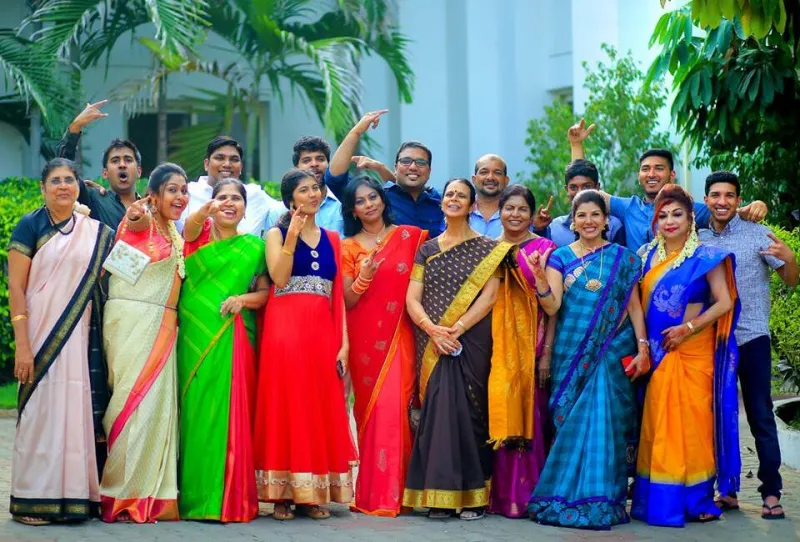
Photo: Smileysnaps chennai, CC BY-SA 4.0, via Wikimedia Commons
There is a particular kind of frustration that visits photographers at every skill level: the sense that the moment was almost right. The light was shifting. Someone blinked. The background was cluttered. The subject turned a fraction of a second too late. And so the shutter was held — waiting for conditions to align — while the real photograph slipped quietly away.
This is the trap of perfect timing. And it costs more images than any technical failure ever will.
The Myth That Perfection Is Attainable
The idea that extraordinary photographs require extraordinary circumstances has been around as long as the medium itself. It is an appealing notion — that mastery means knowing exactly when to press the shutter, that the great photographers of history were simply better at identifying the singular, flawless moment.
But spend time studying the contact sheets and working archives of celebrated photographers, and a different picture emerges. The images that endure — the ones that appear in exhibitions, that get framed and passed down through families, that stop a viewer cold — are rarely the product of a perfectly staged situation. More often, they are captures of something unguarded, slightly off-balance, and entirely genuine.
Perfect conditions, in practice, tend to produce technically correct photographs. Technically correct photographs are rarely the ones anyone remembers.
What Happens in the Margins
Working photographers — those who shoot weddings, events, and commercial projects on a regular basis — develop a particular awareness of what might be called the peripheral moment. These are the instants that occur just outside the planned sequence: the laugh that breaks out between formal portraits, the quiet exchange between a parent and child while the couple signs the marriage certificate, the way a subject's expression softens when they think the camera has moved on.
These marginal moments are not accidents. They are the natural result of real people existing in real time. What distinguishes experienced photographers is not the ability to manufacture better moments — it is the discipline to remain present and responsive when those moments surface unexpectedly.
At Two15 Photography, this awareness is central to how we approach every assignment. The 2:15 window — that stretch of afternoon light we have long associated with our brand — is a reminder that conditions are always in flux. Light changes. People move. Emotions surface without warning. The photographer's role is not to control these variables but to read them accurately and respond with speed.
The Technical Argument Against Waiting
There is also a practical dimension to this conversation that deserves direct attention. Photography equipment — even at the professional level — introduces its own constraints. Autofocus systems require a fraction of a second to acquire a target. Mechanical shutters carry a measurable lag between the moment of decision and the moment of capture. Human reaction time adds another layer of delay.
What this means in practice is that waiting until a moment looks perfect almost guarantees arriving late to it. By the time the composition registers as ideal, the expression has shifted. The gesture is already resolving. The light has moved two degrees.
Professional photographers compensate for this by anticipating rather than reacting. They read the emotional temperature of a room, track the movement of subjects, and make preemptive decisions about framing and exposure before the decisive instant arrives. When that instant comes — often in a form they did not predict — they are already positioned to capture it.
This is a trained skill, not an instinct. And it runs directly counter to the habit of waiting.
Authenticity Does Not Pose
One of the most common observations clients make after receiving their wedding or event gallery is that their favorite images are never the ones they expected. The formal portraits are appreciated. The posed group photographs serve their purpose. But the images that generate genuine emotion — the ones that get printed large and hung on walls — are almost always candid, unplanned, and slightly imperfect by conventional measure.
This is not coincidental. Authenticity, by definition, cannot be posed. It can be encouraged, and it can be captured, but it cannot be manufactured on command. A subject who feels observed and directed will produce a fundamentally different expression than one who is momentarily unselfconscious. The camera picks up this difference with unforgiving clarity.
Experienced photographers understand this and adjust their approach accordingly. Rather than engineering perfect conditions, they create environments in which authentic moments are likely to occur — and then they stay ready. The goal is not to control the scene but to be present within it, alert to the small shifts in energy that signal something real is about to happen.
Reframing What 'Good' Looks Like
This requires a meaningful shift in how photographers — and clients — define a successful image. The standard checklist (sharp focus, clean background, flattering light, composed expression) captures technical competence. It does not capture life.
A photograph of a bride laughing so hard her eyes are closed is, by several conventional measures, imperfect. It may also be the truest image from the entire day. A candid frame of two old friends at a corporate event, caught mid-conversation with ambient light and an unposed angle, may lack the polish of a staged executive portrait. It will almost certainly carry more feeling.
None of this is an argument against technical skill. Composition matters. Exposure matters. The ability to work with available light, to select the right lens for a given situation, to manage depth of field — these are not incidental concerns. They are the foundation upon which everything else rests. But technical skill deployed in the service of waiting for perfection is skill poorly used.
The photographers who produce consistently compelling work are those who treat technical competence as a baseline — the minimum requirement for showing up — and direct their real attention toward the unpredictable, the spontaneous, and the marginally imperfect moments that carry genuine weight.
A Different Kind of Patience
There is a version of patience that serves photographers well, and it has nothing to do with waiting for better conditions. It is the patience of sustained attention — the willingness to remain present and observant across the full arc of an event, without retreating into the comfort of planned sequences.
This kind of patience means staying engaged during the transitions, the quiet stretches, the moments when nothing seems to be happening. It means resisting the impulse to review images on the camera's LCD when the action slows, because that is precisely when something unscripted tends to surface.
It means accepting that the best photograph of the day may arrive at an inconvenient moment, in imperfect light, from an angle you did not plan — and being ready anyway.
Perfection is a destination that keeps moving. The photographs worth keeping are the ones taken while the journey was still underway.